01
The card at the entrance
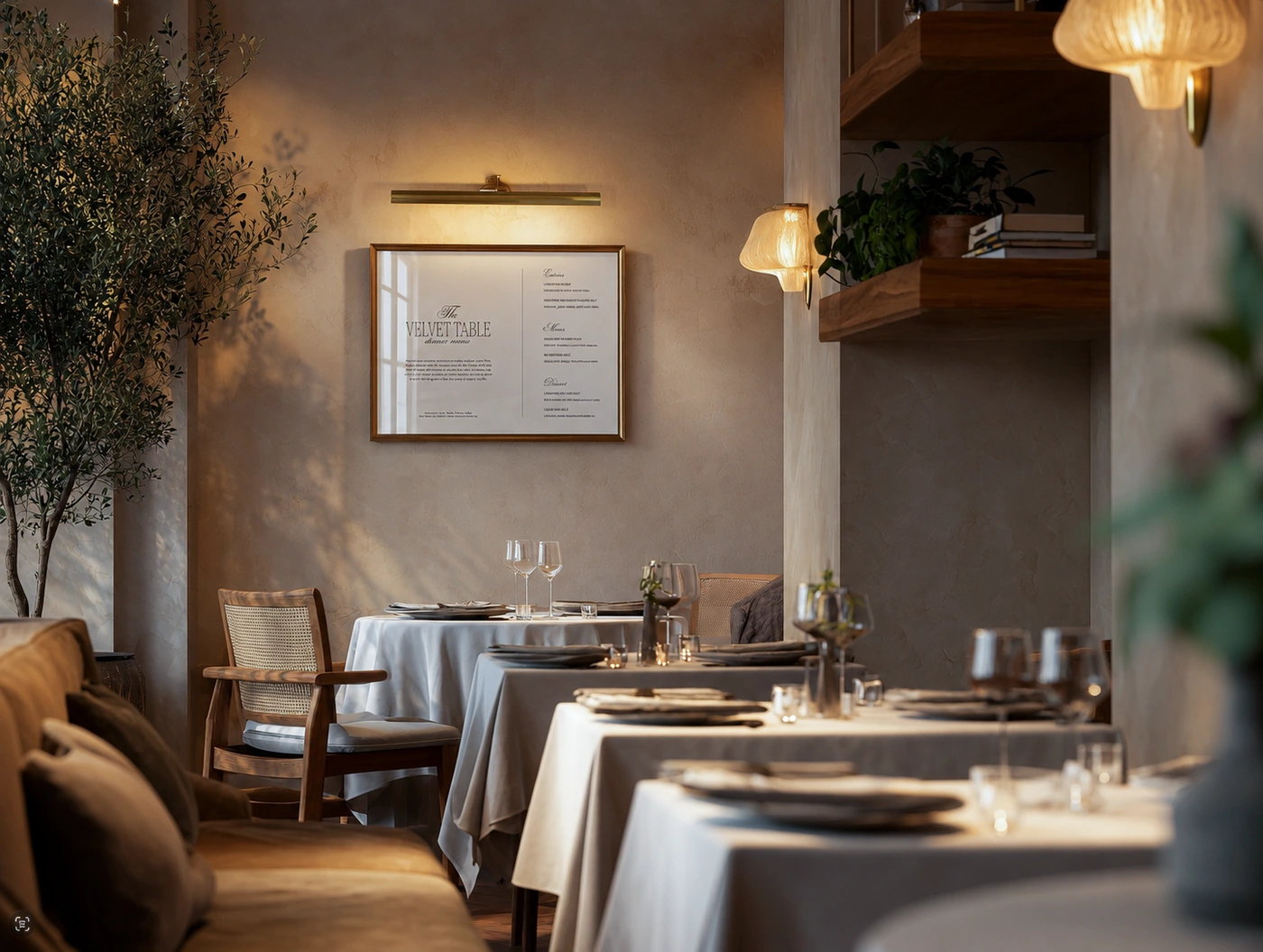
The menu is set in the morning and corrected at eight when a dish goes. What a passer-by reads is what the kitchen can actually serve.

Spaces / Dining
01 · The problem
The lit menu board belongs to fast food, and every restaurateur above that level knows it. So the menu goes back to paper, and paper means reprinting at every change: a supplier who did not deliver, a dish that sold out at eight, a vintage that ran out last week. The card on the wall is out of date more often than it is correct, and the one at the entrance is the first thing a passer-by reads.


02 · The day
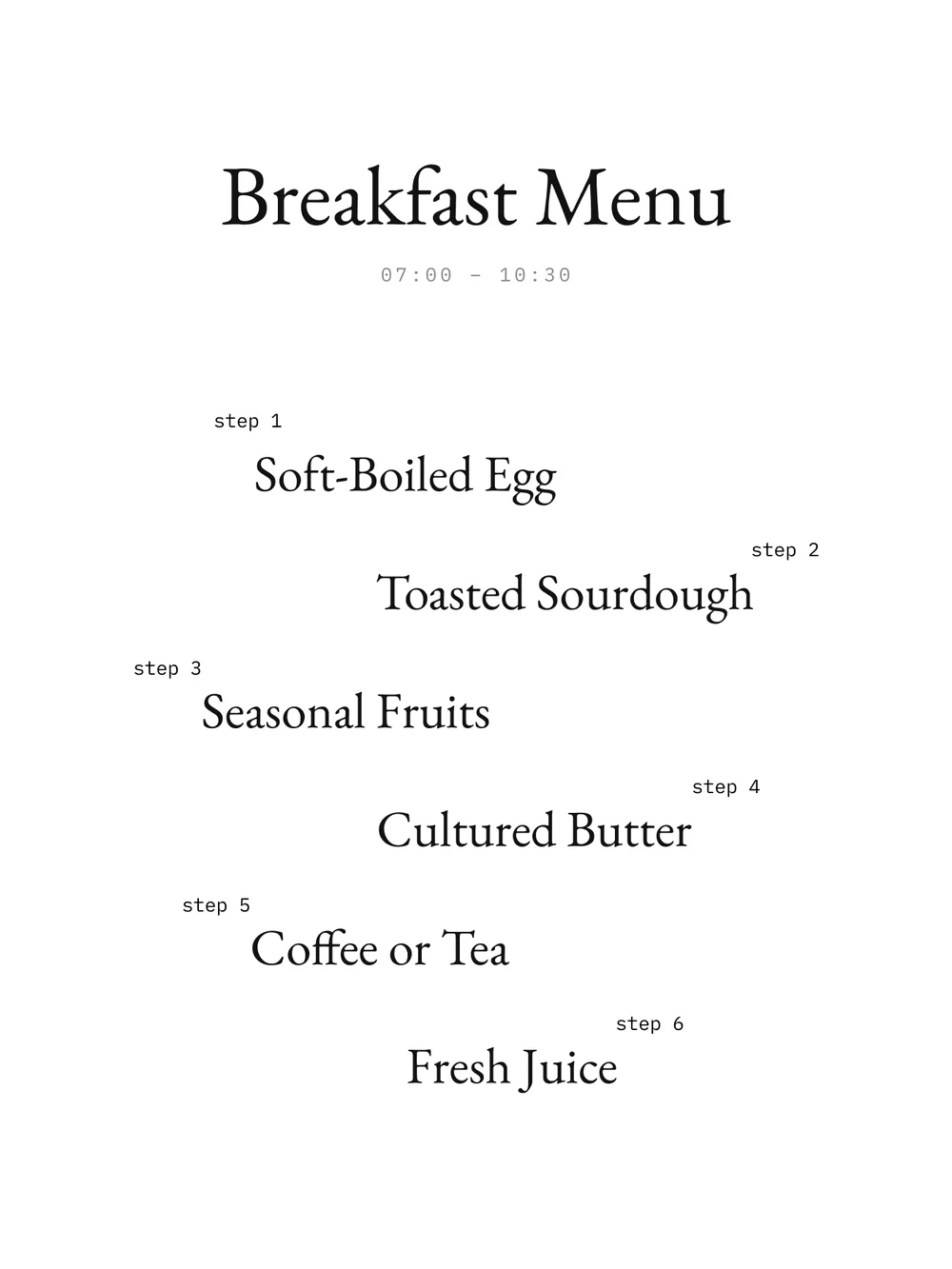
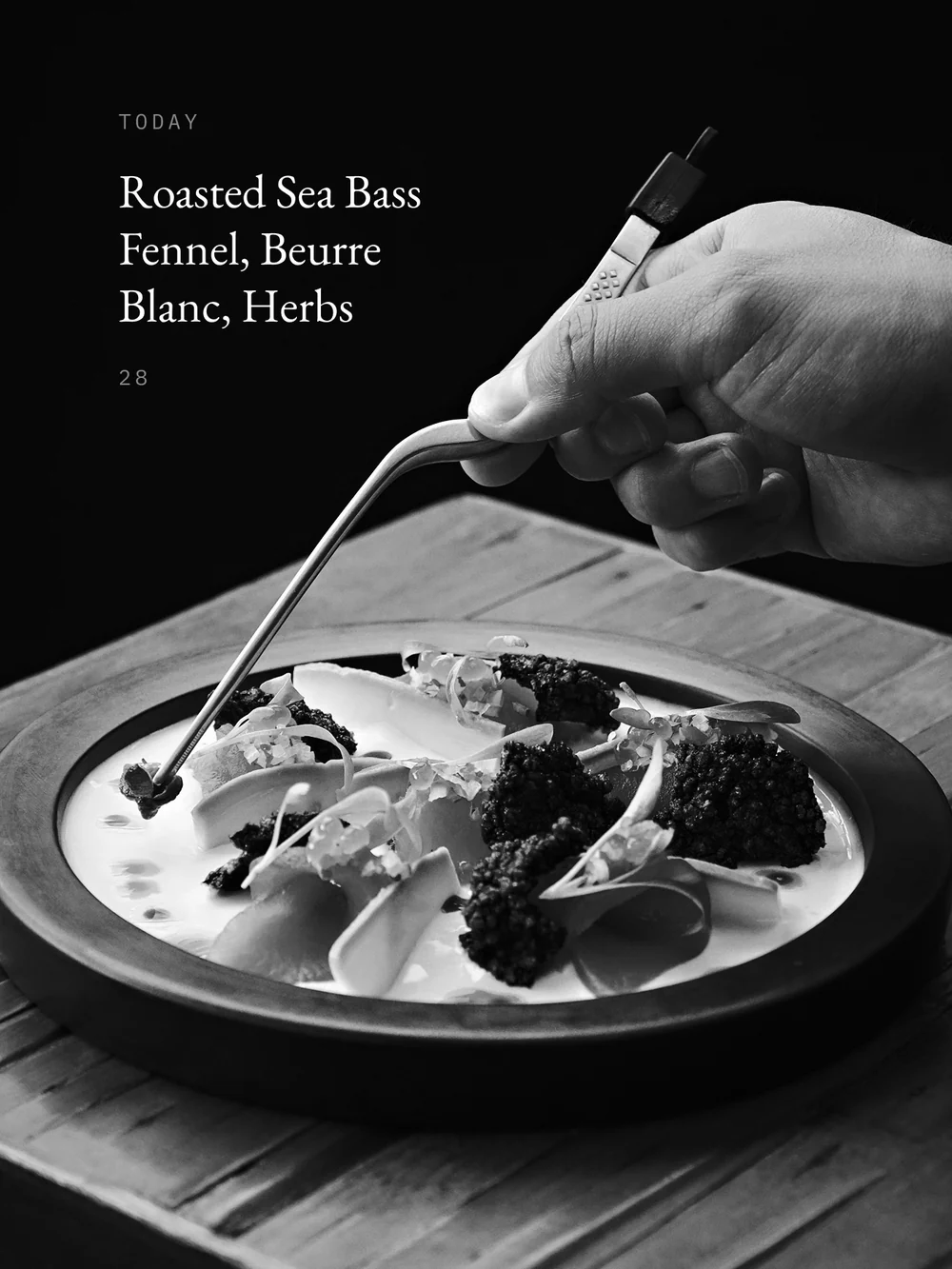
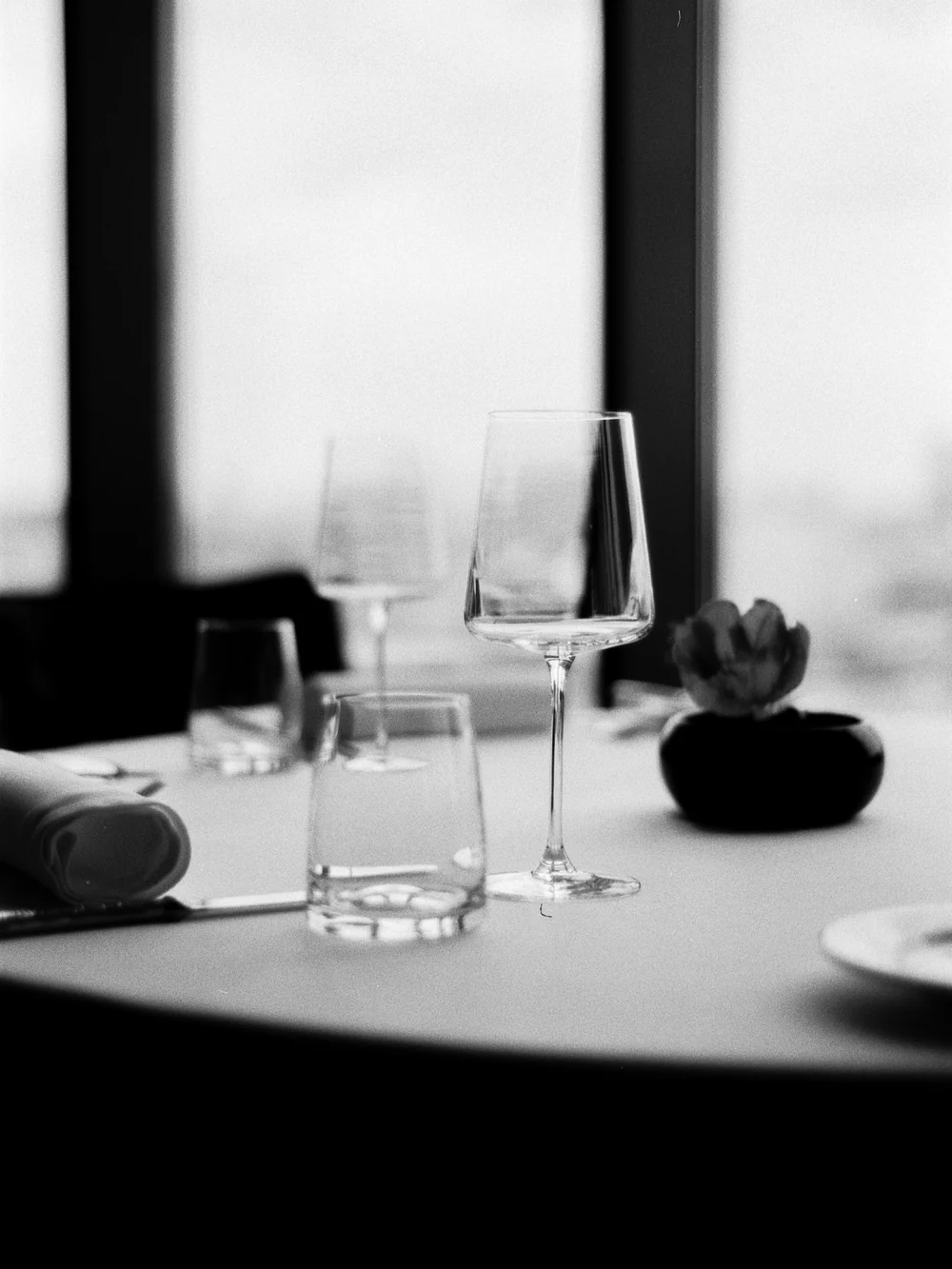
Scroll: the day unfolds. Every image in this frame was scheduled ahead of time in Ginko Studio, and no one comes to change it.
07:30
Information Half past seven. The breakfast menu, updated each morning in a few seconds. Never printed again.
12:30
Information Midday. Today's dish and its price, changed from a phone in the kitchen.
19:00
Revenue Seven in the evening. One bottle, one year, chosen by the sommelier for tonight.
23:00
Ambience Eleven at night. Service is over, and the room keeps its face until morning.
03 · In your space
01
The menu is set in the morning and corrected at eight when a dish goes. What a passer-by reads is what the kitchen can actually serve.
02
A vintage runs out and it leaves the list the same evening, without a reprint and without a pen stroke through a line.
03
Lunch service ends and the wall becomes the cocktail card. The room changes register without anyone carrying a board out of a cupboard.
04 · What Studio orchestrates here
The frame is only the visible part. What makes it work at scale is the ability to decide, once, what appears where and when.
Change a dish or a price in seconds, on every frame in the room
Schedule the turn from lunch to dinner, and from dinner to the bar
Publish the same card across several venues in a group
Build a template so the kitchen fills the menu and never touches the layout
05 · What changes
Daily reprinting disappears, and so does the obsolete menu. For a group running several venues, the same discipline applies everywhere without depending on who is on shift that evening.
Questions
Yes. It reads like a printed menu, in the light of the room, and the menu is changed from Ginko Studio with nothing to reprint. One frame or every frame in the restaurant, in one action.
Yes. Each service is scheduled in advance in Ginko Studio, and the frame changes on its own at the set time. Nobody has to touch it.
It reflects the light of the room instead of emitting its own, like paper. It reads well in daylight and under evening lamps, and in a dark room it stays as discreet as a print.